WIC Program Updates 2026: Enhanced Benefits & Eligibility
Anúncios
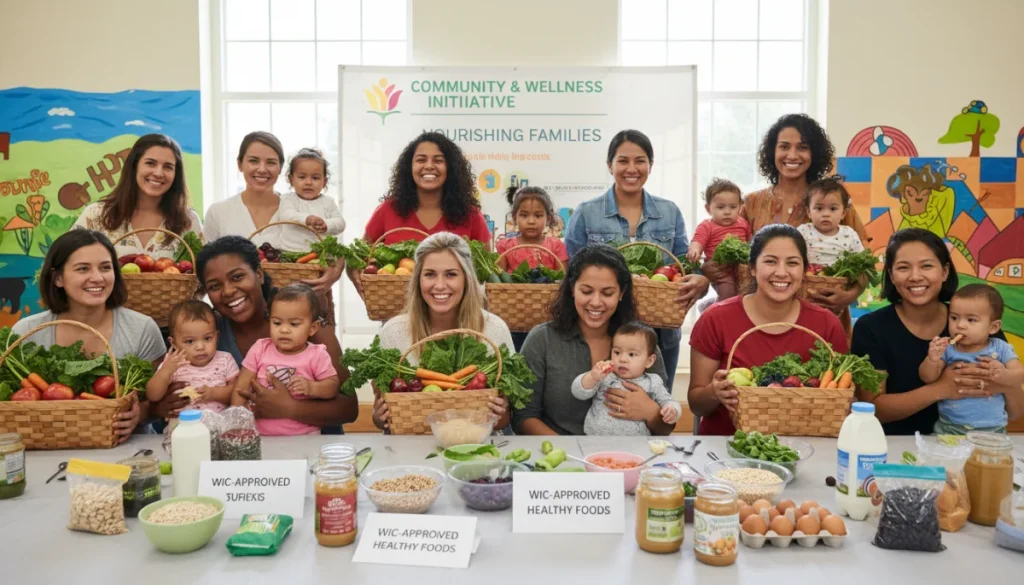
The WIC Program is undergoing significant updates in 2026, featuring increased food package values and expanded eligibility, designed to enhance nutritional support for women, infants, and children across the United States.
Anúncios
Are you a current or potential participant in the Special Supplemental Nutrition Program for Women, Infants, and Children (WIC)? If so, understanding the recent and upcoming WIC Program Updates 2026 is crucial. These changes represent a pivotal moment in the program’s history, promising enhanced support and broader access to vital nutritional resources for eligible families across the United States. From increased food package values to significant eligibility expansions, these adjustments aim to strengthen the program’s impact and better serve communities in need.
Understanding the WIC Program’s Evolution
Anúncios
The WIC Program has long been a cornerstone of public health initiatives in the United States, providing supplemental foods, healthcare referrals, and nutrition education to low-income pregnant, breastfeeding, and non-breastfeeding postpartum women, and to infants and children up to age five who are found to be at nutritional risk. Its enduring mission is to safeguard the health of low-income women, infants, and children at nutritional risk by providing nutritious foods to supplement diets, information on healthy eating, and referrals to health care.
Over the years, WIC has adapted to changing nutritional science and public health needs. The updates for 2026 are a testament to this ongoing commitment, reflecting a comprehensive review of current dietary guidelines, economic factors, and the evolving demographics of eligible populations. These adjustments are not merely incremental; they represent a strategic re-evaluation of how WIC can most effectively combat food insecurity and promote long-term health outcomes for its participants. The program’s evolution is driven by a deep understanding of its crucial role in fostering healthier starts for children and supporting maternal well-being.
The changes being implemented are the result of extensive research, stakeholder consultations, and legislative efforts aimed at making WIC more responsive and impactful. This continuous improvement ensures that WIC remains a dynamic and relevant resource for families navigating the challenges of early childhood and maternal health. The program’s ability to evolve is pivotal to its success in addressing the complex nutritional needs of its target population effectively and efficiently.
Increased Food Package Values: A Major Boost for Families
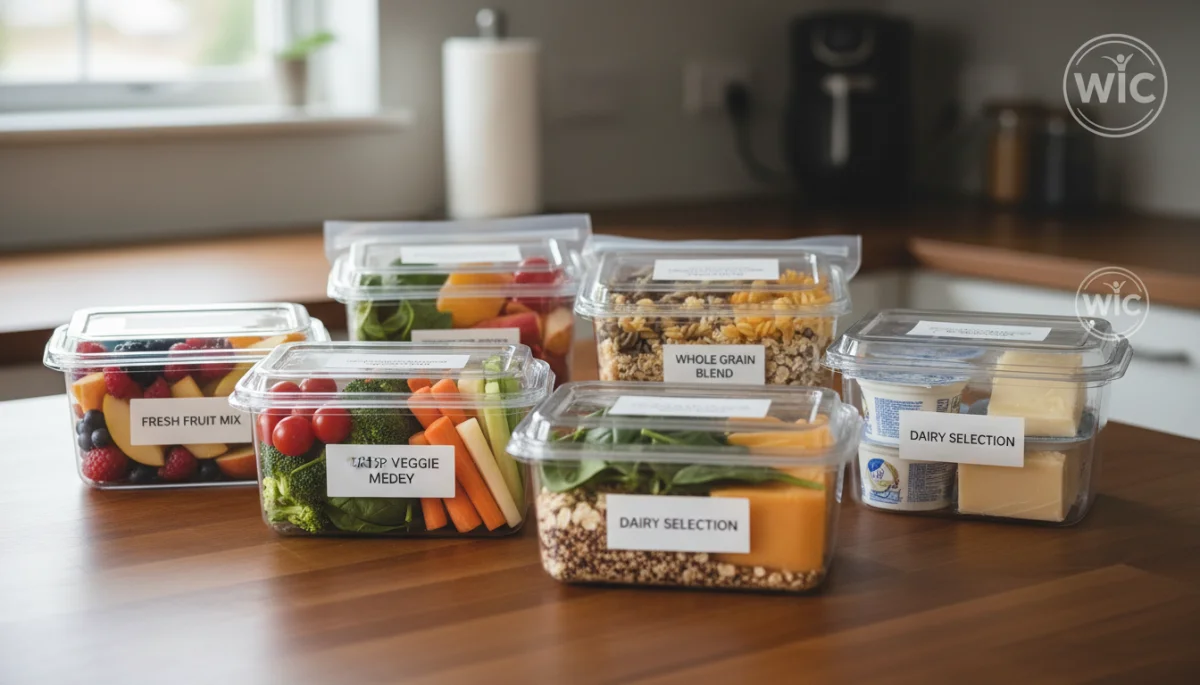
One of the most anticipated and impactful aspects of the WIC Program Updates 2026 is the significant increase in food package values. This enhancement directly addresses the rising cost of nutritious foods and aims to provide participants with greater purchasing power, enabling them to access a wider variety of healthy options. The adjustments are designed to align WIC food packages more closely with current dietary recommendations, particularly emphasizing fruits, vegetables, and whole grains.
What the Increased Values Mean
For many families, the previous food package values, while helpful, often fell short of covering the full cost of a nutritionally adequate diet, especially concerning fresh produce. The new values are expected to bridge this gap, allowing participants to purchase more of the essential foods recommended for optimal health during critical developmental stages.
- Greater Access to Fresh Produce: Families will see a substantial increase in the cash value benefit (CVB) for fruits and vegetables, making it easier to incorporate these vital nutrients into their diets.
- Expanded Whole Grain Options: The program will support a broader selection of whole grain products, encouraging healthier carbohydrate choices.
- Dairy and Protein Adjustments: Specific adjustments to dairy and protein allowances ensure that participants receive adequate amounts of these foundational nutrients.
These increased values are a direct response to evidence highlighting the importance of early nutrition in preventing chronic diseases and promoting cognitive development. By providing more generous benefits, WIC aims to alleviate some of the financial burdens families face when trying to provide healthy meals, fostering a stronger foundation for health and well-being from the earliest stages of life.
Eligibility Expansions: Reaching More Families in Need
Beyond the food package enhancements, the WIC Program Updates 2026 also include crucial expansions to eligibility criteria. These changes are designed to ensure that WIC reaches a broader spectrum of individuals who could benefit from its services, particularly those on the cusp of previous income thresholds or in specific vulnerable situations not adequately covered before.
The primary goal of these eligibility expansions is to reduce disparities in health outcomes and improve access to nutritional support for a greater number of pregnant individuals, new mothers, infants, and young children. Recognizing that economic hardships can fluctuate and that various factors contribute to nutritional risk, the program is becoming more inclusive.
Key Changes in Eligibility
Several key areas are being addressed to broaden WIC’s reach:
- Adjusted Income Thresholds: While WIC primarily serves low-income individuals, the income guidelines are being re-evaluated to account for regional cost-of-living differences and to capture families who may have been just above the previous limits but still face significant nutritional challenges. These adjustments aim to reflect a more realistic picture of economic need.
- Expanded Categorical Eligibility: The program is exploring avenues to streamline eligibility for individuals already participating in other assistance programs, such as Medicaid or SNAP, reducing administrative burden and ensuring more seamless access to WIC benefits.
- Focus on Specific Vulnerable Populations: There’s an increased emphasis on identifying and reaching out to specific populations that may be at higher nutritional risk but haven’t always been effectively served, such as certain migrant communities or those experiencing homelessness.
These expansions signify a proactive approach to public health, acknowledging that early intervention and consistent nutritional support are critical for long-term societal benefits. By opening its doors to more families, WIC strengthens its role as a vital safety net, contributing to healthier communities nationwide.
Impact on Maternal and Child Health Outcomes
The comprehensive WIC Program Updates 2026 are poised to have a profound and positive impact on maternal and child health outcomes across the United States. By increasing food package values and expanding eligibility, the program directly addresses key determinants of health, laying a stronger foundation for the well-being of future generations.
Access to adequate nutrition during pregnancy and early childhood is fundamental for healthy development. Malnutrition, even in mild forms, can lead to a host of developmental delays, increased susceptibility to illness, and long-term health complications. WIC’s enhanced offerings are designed to mitigate these risks by ensuring participants receive the essential nutrients required for optimal growth and development. This proactive approach not only benefits individuals but also contributes to a healthier, more productive society.
Anticipated Health Benefits
The anticipated health benefits are broad and far-reaching:
- Reduced Rates of Anemia: Improved access to iron-rich foods and nutrition education can help lower the incidence of anemia in pregnant women and young children, a common nutritional deficiency with serious health implications.
- Improved Birth Outcomes: Adequate prenatal nutrition, supported by WIC, is linked to higher birth weights and reduced rates of preterm birth, contributing to healthier starts for infants.
- Enhanced Cognitive Development: Children receiving consistent, nutritious diets through WIC are more likely to achieve developmental milestones and perform better academically, setting them up for greater success in school and life.
- Lowered Obesity Rates: By promoting healthy eating patterns from an early age and providing access to nutrient-dense foods, WIC can play a crucial role in preventing childhood obesity and related health issues.
Ultimately, these updates reinforce WIC’s role as a critical public health intervention. The program’s expanded capacity to deliver comprehensive nutritional support will lead to healthier pregnancies, stronger infants, and more resilient children, fostering a cycle of improved health that benefits families and communities for years to come.
Navigating the Application Process and New Guidelines
With the significant WIC Program Updates 2026, understanding the application process and new guidelines is essential for both prospective and current participants. While the core principles of WIC remain, the expanded eligibility and adjusted benefits may require some families to re-evaluate their status or apply for the first time. The goal is to make the process as straightforward as possible while ensuring all eligible individuals receive the support they need.
Families interested in applying or those with questions about their current benefits should proactively seek information from their local WIC agencies. These agencies are equipped with the most up-to-date guidance and can provide personalized assistance to navigate the new regulations. Transparency and accessibility are key components of the updated program, ensuring that information is readily available to all who seek it.
Steps for Application and Enrollment
The general steps for applying to WIC typically involve:
- Contacting Your Local WIC Agency: This is the first step to determine eligibility and schedule an appointment. Contact information can usually be found on state health department websites or through a simple online search for “WIC near me.”
- Gathering Required Documents: Applicants will need to provide proof of identity, residency, and income for all household members. Specific documents may vary by state or local agency, so it’s advisable to confirm these beforehand.
- Attending a Certification Appointment: During this appointment, a WIC nutritionist or health professional will assess nutritional risk, provide nutrition education, and issue benefits. This is also an opportunity to ask questions about the new food packages.
- Understanding New Guidelines: Participants should pay close attention to any new guidelines regarding food selection, benefit redemption, and scheduled follow-up appointments to maximize their program benefits.
The WIC program is dedicated to assisting families through this process, providing resources and support every step of the way. These updates are designed to enhance accessibility and effectiveness, making it easier for eligible families to receive crucial nutritional assistance.
Future Outlook and Long-Term Program Goals
The WIC Program Updates 2026 are more than just immediate adjustments; they represent a forward-thinking strategy geared towards the long-term health and well-being of American families. These enhancements are part of a broader vision to strengthen the WIC program’s foundation, ensuring its continued relevance and effectiveness in a rapidly changing social and economic landscape. The focus extends beyond simply providing food; it encompasses a holistic approach to nurturing healthy communities.
Looking ahead, WIC aims to leverage technology, foster stronger community partnerships, and continuously refine its offerings to meet emerging public health challenges. The program recognizes that adaptability is crucial for sustained impact, and these updates are a significant step in that direction. The long-term goals are ambitious, aiming to create a healthier nation by investing in its youngest and most vulnerable populations.
Strategic Long-Term Objectives
- Enhanced Digital Accessibility: Future initiatives may include further digital integration for benefit management, appointment scheduling, and nutrition education, making WIC services even more convenient for participants.
- Strengthened Partnerships with Healthcare Providers: Bolstering collaborations with pediatricians, obstetricians, and other healthcare professionals will ensure more seamless referrals and integrated care for WIC families.
- Continued Nutritional Science Integration: WIC will remain committed to incorporating the latest nutritional science into its food packages and educational materials, ensuring that advice and provisions are always evidence-based.
- Advocacy for Sustained Funding: Ongoing advocacy efforts will be crucial to secure the necessary funding to maintain and expand these enhanced benefits, ensuring the program’s long-term viability and reach.
These strategic objectives underscore WIC’s commitment to continuous improvement and its vital role in public health. By embracing innovation and collaboration, the program is set to continue its legacy of supporting countless families, contributing significantly to a healthier and more equitable society for generations to come.
| Key Update | Brief Description |
|---|---|
| Increased Food Package Values | Significant boost in benefits, especially for fruits and vegetables, to align with current dietary guidelines and rising food costs. |
| Eligibility Expansions | Broader access to the program through adjusted income thresholds and streamlined processes for those already in other assistance programs. |
| Enhanced Health Outcomes | Anticipated improvements in maternal and child health, including reduced anemia, better birth outcomes, and enhanced cognitive development. |
| Streamlined Application Process | Efforts to simplify applying and enrolling, with local agencies providing updated guidance and support for new guidelines. |
Frequently Asked Questions About WIC Updates 2026
The main changes include a significant increase in the cash value benefit for fruits and vegetables, and expanded options for whole grains, dairy, and protein. These adjustments aim to better align WIC food packages with current dietary guidelines and the rising cost of nutritious foods.
Eligibility has been expanded through adjusted income thresholds that consider regional cost-of-living differences. There are also efforts to streamline categorical eligibility for individuals already participating in other assistance programs like Medicaid or SNAP, reaching more families in need.
Expected health benefits include reduced rates of anemia, improved birth outcomes with higher birth weights, enhanced cognitive development in children, and a potential reduction in childhood obesity rates due to better access to nutritious foods.
You should contact your local WIC agency or visit your state’s health department website. They will provide the most current information on application procedures, required documents, and specific guidelines for your area, ensuring you receive personalized assistance.
These updates are part of an ongoing commitment to strengthen the WIC program and are intended to be long-term enhancements. However, government programs are always subject to periodic review and potential adjustments based on legislative action, economic conditions, and public health needs.
Conclusion
The WIC Program Updates 2026 mark a significant advancement in the nation’s commitment to maternal and child health. By strategically increasing food package values and thoughtfully expanding eligibility, WIC is poised to deliver even more impactful support to vulnerable families. These changes reflect a deeper understanding of nutritional needs and economic realities, ensuring that the program remains a vital resource for fostering healthy beginnings. As these enhancements roll out, they promise a brighter, healthier future for countless women, infants, and children across the United States, underscoring the enduring importance of this critical public health initiative.
