EdTech Boom 2026: Investing in K-12 Digital Learning Success
Anúncios
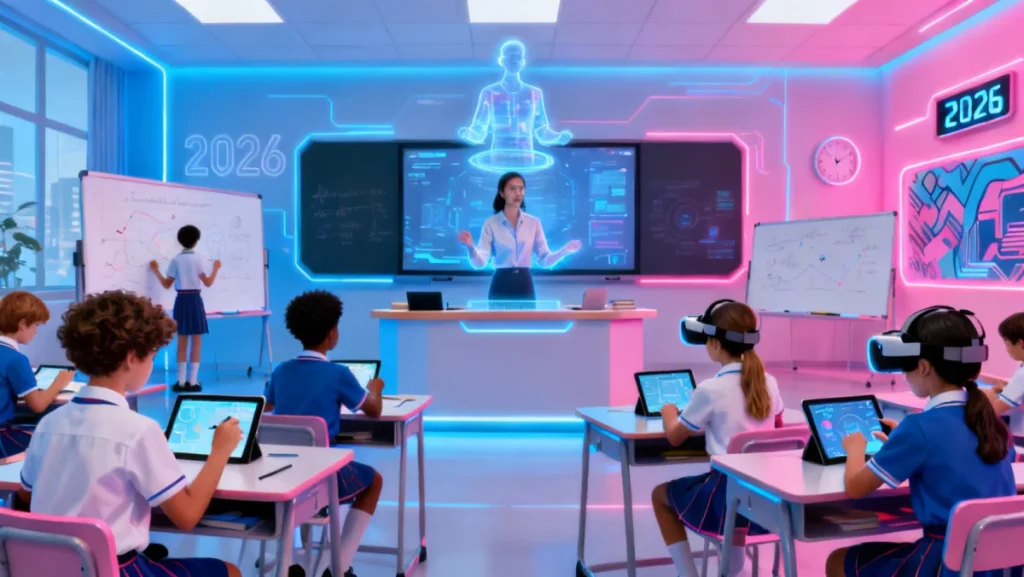
The 2026 EdTech boom signifies a pivotal moment for K-12 education, urging strategic investment in digital learning tools to foster student engagement, personalize learning, and prepare the next generation for an evolving world.
Anúncios
The landscape of education is undergoing a profound transformation, and by 2026, the shift towards digital learning will be unmistakable. The EdTech K-12 Investment boom is not merely a trend; it represents a fundamental re-evaluation of how we educate our children, driven by technological advancements and a growing understanding of diverse learning needs. This article delves into the critical aspects of this educational revolution, exploring why strategic investment in digital learning tools for K-12 success is no longer an option, but a necessity.
Understanding the EdTech Landscape in 2026
By 2026, the EdTech landscape for K-12 will be vastly different from what we know today. Gone are the days when technology in the classroom meant a single computer in the corner or an occasional projector. We are entering an era where digital tools are seamlessly integrated into every aspect of the learning process, offering personalized experiences and interactive content that traditional methods simply cannot match.
Anúncios
This evolution is fueled by rapid innovations in artificial intelligence, virtual reality, and adaptive learning platforms. These technologies are not just enhancing existing curricula; they are creating entirely new possibilities for engagement and understanding, addressing the diverse needs of students from various backgrounds and learning styles. The market is burgeoning with solutions designed to make learning more dynamic and accessible.
The Rise of AI and Personalized Learning
Artificial intelligence is at the forefront of this transformation, enabling highly personalized learning pathways for K-12 students. AI-powered platforms can analyze student performance, identify areas of struggle, and recommend tailored resources, ensuring that each child receives the support they need to succeed at their own pace.
- Adaptive Assessments: AI continuously adjusts difficulty based on student responses.
- Intelligent Tutoring Systems: Provides real-time feedback and guidance.
- Content Curation: Recommends relevant educational materials based on individual needs.
Virtual and Augmented Reality in Education
Virtual Reality (VR) and Augmented Reality (AR) are poised to revolutionize how students engage with complex subjects. Imagine dissecting a virtual frog in biology class or exploring ancient Rome through an immersive AR experience. These technologies make abstract concepts tangible and bring learning to life in unprecedented ways, fostering deeper understanding and retention.
The integration of VR and AR into K-12 curricula will move beyond novelty to become an essential component of experiential learning. Schools investing in these tools now will provide their students with a significant advantage, preparing them for a future where such technologies are commonplace in both personal and professional spheres.
The EdTech landscape in 2026 is characterized by sophisticated, integrated digital tools that empower both educators and students. These advancements move beyond mere digitization, focusing on creating truly transformative learning experiences that are tailored, engaging, and deeply effective, marking a significant departure from traditional educational paradigms.
The Imperative of Investing in Digital Learning Tools
The argument for investing in digital learning tools for K-12 education extends far beyond convenience; it’s about equipping students with the skills and knowledge necessary to thrive in an increasingly digital world. The current generation of students are digital natives, and their learning environments must reflect this reality to maintain engagement and relevance.
Digital literacy is no longer a specialized skill but a foundational requirement for success in higher education and the modern workforce. By integrating advanced EdTech solutions, schools are not just teaching subjects; they are fostering critical thinking, problem-solving, and technological fluency, which are indispensable for future generations.
Bridging the Educational Equity Gap
One of the most critical aspects of EdTech investment is its potential to bridge the educational equity gap. Digital learning tools can provide access to high-quality educational resources for students in underserved communities, offering opportunities that might otherwise be out of reach. This democratization of education is vital for fostering a more inclusive and equitable society.
- Remote Learning Access: Ensures continuity of education regardless of location.
- Resource Sharing: Provides access to a wealth of online libraries and educational content.
- Personalized Support: Adapts to individual learning speeds and styles, benefiting all students.
Preparing Students for Future Careers
The job market of tomorrow will demand a workforce proficient in digital skills and adaptable to rapid technological change. Early exposure to sophisticated digital learning tools in K-12 education prepares students not just for college, but for careers that may not even exist yet. This foresight in investment is crucial for national economic competitiveness.
Investing in EdTech means investing in the future workforce. It means empowering students to become innovators, critical thinkers, and effective communicators in a world driven by technology. Schools that embrace this vision will produce graduates who are not only well-educated but also future-ready, capable of navigating and shaping the technological landscape.
Ultimately, the imperative to invest in digital learning tools is clear: it’s about creating an educational system that is equitable, engaging, and forward-thinking. Such investments ensure that every K-12 student has the opportunity to develop the skills and knowledge needed to succeed in a world constantly reshaped by technology.
Key Digital Learning Tools and Their Impact
The array of digital learning tools available for K-12 education is diverse, each designed to address specific pedagogical needs and enhance different aspects of the learning experience. Understanding these tools and their potential impact is crucial for making informed investment decisions.
From comprehensive learning management systems to specialized applications for specific subjects, these tools are transforming classrooms into dynamic, interactive environments. Their effectiveness lies in their ability to engage students, provide immediate feedback, and offer flexible learning pathways that cater to individual preferences.
Interactive Whiteboards and Displays
Interactive whiteboards and large-format displays have evolved significantly, becoming central hubs for collaborative learning. They allow teachers to present dynamic content, facilitate group activities, and encourage student participation through touch-enabled interfaces. These tools move beyond passive viewing, turning lessons into interactive experiences.
The visual and interactive nature of these displays captures student attention more effectively than traditional methods. They support various learning styles, making complex information more accessible and engaging for a wider range of students, fostering a more inclusive classroom environment.
Learning Management Systems (LMS)
Learning Management Systems (LMS) serve as the backbone of digital education, providing a centralized platform for course content, assignments, grades, and communication. An effective LMS streamlines administrative tasks for teachers and offers students a single point of access for all their learning resources, enhancing organization and accessibility.
- Centralized Resources: All course materials in one accessible location.
- Assignment Submission & Tracking: Simplifies homework management.
- Communication Hub: Facilitates interaction between students, teachers, and parents.
Educational Software and Apps
A vast ecosystem of educational software and applications exists, catering to every subject and grade level. These tools range from gamified learning platforms that make complex topics fun and engaging to sophisticated simulations that allow students to explore scientific principles in a safe, virtual environment. The right software can dramatically enhance comprehension and retention.
The impact of these specialized tools is profound, offering tailored learning experiences that address specific academic challenges and interests. By choosing applications that align with curriculum goals and student needs, schools can significantly boost educational outcomes and foster a love for learning.
In essence, the selection and implementation of key digital learning tools are pivotal to realizing the full potential of EdTech. These tools, when thoughtfully integrated, create a richer, more engaging, and ultimately more effective learning experience for all K-12 students.

Challenges and Considerations for EdTech Adoption
While the benefits of EdTech are compelling, the adoption and successful integration of digital learning tools in K-12 education are not without their challenges. Addressing these considerations proactively is crucial for maximizing the return on investment and ensuring equitable access and effective use.
From funding constraints to teacher training, several factors can impede the smooth transition to a digitally-enhanced learning environment. A comprehensive strategy that anticipates and mitigates these obstacles is essential for any school or district embarking on this journey.
Funding and Budget Allocation
One of the primary challenges is securing adequate funding for the initial purchase of hardware, software licenses, and ongoing maintenance. Schools and districts often operate with limited budgets, making significant EdTech investments a complex financial undertaking. Creative funding models, grants, and strategic partnerships can help alleviate some of these financial pressures.
Beyond initial costs, it’s vital to consider the long-term budgetary implications, including software updates, technical support, and eventual hardware replacement. A sustainable financial plan is paramount for the continuous evolution of digital learning initiatives.
Teacher Training and Professional Development
Even the most advanced digital tools are only as effective as the educators who wield them. Comprehensive teacher training and ongoing professional development are critical to ensure that teachers are comfortable and proficient in using new technologies. This goes beyond basic technical skills to include pedagogical approaches that leverage EdTech for maximum impact.
- Initial Training Workshops: Equipping teachers with foundational skills.
- Ongoing Support: Providing continuous access to technical and pedagogical assistance.
- Peer Learning Networks: Encouraging teachers to share best practices and innovations.
Ensuring Digital Equity and Access
While EdTech holds immense promise for bridging equity gaps, it can also exacerbate them if not implemented thoughtfully. Ensuring that all students have reliable access to devices, internet connectivity, and the necessary digital literacy skills is a significant challenge, particularly in diverse socioeconomic contexts.
Addressing digital equity requires a multi-faceted approach, including providing devices to students who lack them, subsidizing internet access, and offering digital literacy programs for both students and their families. Without these foundational elements, the potential of EdTech remains unrealized for many.
Navigating the challenges of EdTech adoption demands careful planning, sustained investment, and a commitment to continuous improvement. By addressing these considerations head-on, schools can create robust digital learning environments that truly benefit all students.
Best Practices for Successful EdTech Implementation
Successful EdTech implementation in K-12 schools goes beyond simply purchasing devices and software; it requires a strategic approach that integrates technology seamlessly into the educational ecosystem. Adopting best practices ensures that investments translate into tangible improvements in student outcomes and teacher effectiveness.
A well-planned implementation strategy considers the unique needs of the school community, fosters collaboration, and emphasizes ongoing evaluation. It’s about creating a culture where technology is seen as an enabler of learning, not just an add-on.
Strategic Planning and Vision Alignment
Before any purchases are made, schools must develop a clear strategic plan for EdTech. This involves defining educational goals, identifying how technology can support those goals, and establishing a clear vision for the future of digital learning within the institution. Alignment with curriculum objectives is paramount.
Involving all stakeholders – teachers, administrators, parents, and even students – in the planning process fosters buy-in and ensures that the chosen solutions meet diverse needs. A well-articulated vision guides decision-making and provides a roadmap for effective implementation.
Pilot Programs and Phased Rollouts
Instead of a system-wide overhaul, implementing EdTech through pilot programs and phased rollouts allows schools to test solutions, gather feedback, and make necessary adjustments before full-scale deployment. This iterative approach minimizes disruption and maximizes the chances of success.
- Small-Scale Testing: Identify strengths and weaknesses in a controlled environment.
- Feedback Collection: Incorporate insights from teachers and students.
- Iterative Improvement: Refine strategies based on real-world experience.
Ongoing Evaluation and Adaptation
EdTech implementation is not a one-time event; it’s an ongoing process of evaluation and adaptation. Schools must regularly assess the effectiveness of their digital learning tools, measure their impact on student achievement, and be prepared to make adjustments as technologies evolve and new needs emerge.
Utilizing data analytics from EdTech platforms can provide valuable insights into student engagement and learning patterns. This data-driven approach allows schools to continuously refine their strategies, ensuring that their digital learning environment remains optimized for student success.
By adhering to these best practices, K-12 institutions can navigate the complexities of EdTech implementation with confidence, transforming their educational offerings and preparing students for the challenges and opportunities of the 21st century.
The Economic and Societal Benefits of EdTech Investment
Investing in digital learning tools for K-12 success yields far-reaching benefits that extend beyond individual student achievement, impacting local economies and contributing to broader societal progress. The ripple effects of a well-educated, digitally literate populace are significant and long-lasting.
From fostering innovation to enhancing economic competitiveness, a robust EdTech infrastructure in schools creates a virtuous cycle of growth and opportunity. These investments are not merely expenditures but strategic contributions to community development and national prosperity.
Boosting Local Economies and Job Creation
The EdTech sector itself is a burgeoning industry, creating jobs in software development, technical support, and educational content creation. Local investments in EdTech can stimulate regional economies by supporting these businesses and attracting talent. Furthermore, a digitally skilled workforce is more attractive to employers, potentially drawing new industries and businesses to the area.
By preparing students for high-demand technology roles, schools become engines of economic growth, reducing unemployment and increasing overall productivity. This creates a positive feedback loop where educational success directly translates into economic vitality.
Fostering Innovation and Global Competitiveness
A strong foundation in digital learning within K-12 education is essential for fostering a culture of innovation. Students exposed to advanced technologies from an early age are more likely to pursue careers in STEM fields, leading to breakthroughs and advancements that benefit society as a whole. This innovative capacity is critical for maintaining global competitiveness.
- STEM Pathway Development: Encourages early interest in science, technology, engineering, and math.
- Critical Thinking Skills: Develops problem-solving abilities essential for innovation.
- Digital Fluency: Equips future leaders with the tools to drive technological progress.
Enhancing Social Mobility and Equity
EdTech has the power to democratize access to quality education, thereby enhancing social mobility. By providing all students, regardless of their socioeconomic background, with access to cutting-edge learning tools and resources, it helps level the playing field. This can break cycles of poverty and create pathways to higher education and better career opportunities for disadvantaged individuals.
This focus on equity ensures that every child has the chance to realize their full potential, contributing to a more just and prosperous society. The societal benefits of a well-educated populace are immeasurable, leading to reduced crime rates, improved public health, and greater civic engagement.
The economic and societal benefits of investing in K-12 EdTech are profound and far-reaching. These investments are not just about improving education; they are about building stronger communities, fostering innovation, and securing a brighter future for all.
The Future Outlook: Sustaining the EdTech Momentum
As we look towards 2026 and beyond, sustaining the momentum of EdTech adoption and innovation in K-12 education will be paramount. This requires a forward-thinking approach that embraces continuous evolution, anticipates emerging trends, and prioritizes long-term sustainability over short-term solutions.
The future of digital learning is dynamic, and schools must be prepared to adapt to new technologies, pedagogical approaches, and changing student needs. This involves fostering a culture of continuous learning and innovation within educational institutions.
Emerging Technologies on the Horizon
The rapid pace of technological development means that new EdTech tools and approaches are constantly emerging. Areas like personalized learning through AI, advanced VR/AR applications, and even blockchain for credentialing are likely to become more prevalent. Staying abreast of these developments and evaluating their potential impact will be key.
Schools that are agile and open to experimenting with cutting-edge technologies will be better positioned to provide their students with the most relevant and effective learning experiences. This forward-looking perspective is crucial for maintaining a competitive edge in educational excellence.
Policy and Funding for Long-Term Growth
Sustaining EdTech momentum also requires supportive policy frameworks and consistent funding at local, state, and federal levels. Policies that encourage innovation, provide resources for teacher training, and ensure equitable access to technology are vital for long-term growth. Stable funding mechanisms allow schools to make sustained investments rather than sporadic ones.
Advocacy for continued investment in educational technology is essential. Policymakers must recognize the critical role EdTech plays in preparing the next generation and allocate resources accordingly, ensuring that the progress made by 2026 continues to build into the future.
Collaborative Ecosystems for Innovation
The future of EdTech will increasingly rely on collaborative ecosystems involving schools, technology providers, researchers, and community organizations. These partnerships can drive innovation, share best practices, and address complex challenges more effectively than individual efforts. A collaborative approach fosters a richer and more dynamic learning environment.
By working together, stakeholders can co-create solutions that are truly responsive to the needs of students and educators. This collaborative spirit will be instrumental in ensuring that the EdTech boom of 2026 evolves into a resilient and continuously improving system of digital learning for K-12 success.
The outlook for EdTech in K-12 is bright, but its sustained success hinges on continuous innovation, supportive policies, and collaborative efforts. By embracing these principles, we can ensure that digital learning remains at the forefront of educational advancement for years to come.
| Key Aspect | Brief Description |
|---|---|
| Personalized Learning | AI-driven platforms tailor educational content to individual student needs and pace, enhancing engagement. |
| Digital Equity | EdTech offers the potential to bridge access gaps, providing quality resources to all K-12 students. |
| Future Workforce Prep | Investing in EdTech equips students with essential digital skills for future careers and economic growth. |
| Teacher Empowerment | Effective training and support are crucial for educators to maximize the benefits of new digital tools. |
Frequently Asked Questions About EdTech Investment
The EdTech boom is primarily driven by rapid technological advancements, especially in AI and VR, coupled with a growing recognition of the need for personalized learning and digital literacy. The pandemic also accelerated the adoption of digital tools, highlighting their importance for educational continuity and innovation.
EdTech can bridge equity gaps by providing access to high-quality digital resources, personalized learning pathways, and remote learning opportunities for students in underserved communities. It ensures all students, regardless of their location or socioeconomic status, can access the tools needed for success.
Key challenges include securing adequate funding, providing comprehensive teacher training and ongoing professional development, and ensuring digital equity by addressing issues like device and internet access for all students. Strategic planning is essential to overcome these hurdles effectively.
Highly impactful tools include interactive whiteboards, comprehensive Learning Management Systems (LMS), and educational software/apps that offer personalized and gamified learning experiences. VR and AR technologies are also emerging as powerful tools for immersive learning.
EdTech investment boosts local economies by creating jobs, fosters innovation by developing a digitally skilled workforce, and enhances social mobility by providing equitable educational opportunities. It prepares students for future careers, contributing to national competitiveness and societal progress.
Conclusion
The 2026 EdTech boom is more than just a passing phase; it represents a fundamental shift in how K-12 education is delivered and experienced. Strategic investment in digital learning tools is no longer a luxury but a critical necessity for fostering student success, ensuring educational equity, and preparing the next generation for the complexities of a rapidly evolving world. By embracing innovation, addressing challenges proactively, and committing to continuous improvement, schools can harness the full potential of EdTech to create dynamic, engaging, and effective learning environments that truly empower every student to thrive.
