New Pension Plan Regulations 2026: SECURE 2.0 Impact on Retirement

Anúncios
The New Pension Plan Regulations 2026, primarily driven by SECURE 2.0, significantly reshape retirement savings, influencing contributions, distributions, and overall financial security for millions of Americans, demanding proactive planning.
Anúncios
The landscape of retirement planning in the United States is undergoing a significant transformation, with the implementation of the New Pension Plan Regulations 2026, largely influenced by the SECURE 2.0 Act. These recent updates are not merely minor adjustments; they represent a fundamental shift in how individuals save for retirement, how employers offer benefits, and how financial advisors guide their clients. Understanding these changes is paramount for securing your financial future.
Understanding SECURE 2.0: A Legislative Overview
The SECURE 2.0 Act, building upon the original SECURE Act of 2019, represents a bipartisan effort to enhance retirement security for American workers. This comprehensive legislation introduces a myriad of provisions designed to encourage greater participation in retirement plans, simplify administrative processes, and provide more flexibility for savers. Its phased implementation, culminating in significant changes by 2026, necessitates a thorough understanding of its core tenets.
Anúncios
One of the primary goals of SECURE 2.0 is to expand coverage and increase retirement savings. This is achieved through various mechanisms, including mandating automatic enrollment in new 401(k) and 403(b) plans, offering tax credits for small businesses to establish retirement plans, and allowing for higher catch-up contributions for older workers. The act also addresses the complexities of retirement income streams, aiming to make it easier for individuals to convert savings into reliable income during their golden years.
Key Objectives of SECURE 2.0
The legislation focuses on several critical areas to bolster retirement savings across the nation. These objectives reflect a growing concern about the adequacy of retirement savings for many Americans.
- Expanding Coverage: Encouraging more employers, especially small businesses, to offer retirement plans.
- Increasing Savings: Providing incentives and mechanisms for individuals to save more for retirement.
- Simplifying Administration: Reducing the burden on employers to manage retirement plans, making them more accessible.
- Enhancing Flexibility: Offering more options for accessing and managing retirement funds.
In essence, SECURE 2.0 is a proactive measure designed to address the evolving needs of a changing workforce and an aging population. Its provisions are far-reaching, impacting everything from individual retirement accounts to employer-sponsored plans, and demand careful consideration from all stakeholders involved in retirement planning.
Mandatory Automatic Enrollment and Escalation
A cornerstone of the New Pension Plan Regulations 2026, influenced heavily by SECURE 2.0, is the requirement for mandatory automatic enrollment in new 401(k) and 403(b) plans. This provision aims to significantly increase participation rates in employer-sponsored retirement plans by shifting the default from opting in to opting out. For many, simply being enrolled makes a profound difference in their long-term savings trajectory.
Starting in 2025, most new 401(k) and 403(b) plans must automatically enroll eligible employees, with contributions starting at a minimum of 3% of their pay. This initial contribution rate is then required to automatically increase by 1% each year until it reaches at least 10%, but not more than 15%. This automatic escalation feature is designed to help employees build substantial retirement nest eggs without needing to actively manage their contribution rates annually.
Impact on Employees and Employers
For employees, this means a more effortless start to retirement savings. It removes the inertia that often prevents individuals from enrolling in plans, ensuring they begin contributing from day one. While employees retain the right to opt out or adjust their contribution rates, the default mechanism significantly boosts overall savings rates.
- Increased Participation: More employees will be saving for retirement without active enrollment.
- Higher Savings Rates: Automatic escalation ensures contributions grow over time.
- Reduced Financial Stress: A stronger retirement foundation can alleviate future financial worries.
Employers, on the other hand, will need to adjust their plan administration to accommodate these new requirements. While there are initial setup considerations, the long-term benefit includes a more financially secure workforce and potentially higher employee retention. It’s important for employers to communicate these changes clearly to their staff, explaining both the benefits and the options available to them.
This automatic enrollment and escalation represents a powerful tool in addressing the national retirement savings gap, ensuring that more Americans are on a path towards a comfortable retirement.
Enhanced Catch-Up Contributions for Older Workers
The SECURE 2.0 Act introduces significant adjustments to catch-up contribution limits, particularly benefiting older workers who may be playing catch-up with their retirement savings. These provisions recognize that many individuals face unique financial circumstances later in their careers and may need to accelerate their savings efforts. These changes are crucial for those nearing retirement age to maximize their contributions.
Starting in 2025, individuals aged 60, 61, 62, and 63 will be able to make larger catch-up contributions to their 401(k), 403(b), and 457(b) plans. The catch-up limit for these specific ages will be increased to the greater of $10,000 or 50% more than the regular catch-up amount in 2024. This substantial increase provides a valuable window of opportunity for those who are behind on their savings goals to significantly boost their retirement funds.
Roth Catch-Up Contributions Requirement
A notable change within this provision is the requirement that all catch-up contributions for individuals earning more than $145,000 (indexed for inflation) must be made on a Roth basis, starting in 2024. This means these contributions will be made with after-tax dollars, allowing for tax-free withdrawals in retirement. While this might impact immediate tax deductions for high-income earners, it offers significant tax advantages in the long run.
- Increased Limits: Higher catch-up amounts for those aged 60-63.
- Roth Mandate: High-income earners must make catch-up contributions to Roth accounts.
- Tax Flexibility: Offers both pre-tax and after-tax savings options, depending on income.
This dual approach—increasing limits while also mandating Roth contributions for certain income levels—reflects a strategic move to provide both greater savings potential and diverse tax planning opportunities. Older workers should consult with financial advisors to understand how these changes specifically impact their individual retirement strategies and optimize their contributions under the New Pension Plan Regulations 2026.
Rollover Options and Emergency Savings Provisions
The New Pension Plan Regulations 2026, primarily through SECURE 2.0, introduce innovative provisions aimed at enhancing financial flexibility and addressing emergency savings needs within retirement plans. These changes acknowledge that life is unpredictable and that individuals often face unforeseen expenses that can derail their long-term financial goals. By offering new avenues for emergency savings and simplifying rollovers, the act seeks to create a more resilient retirement system.
One notable provision allows for penalty-free withdrawals for certain emergency expenses, up to $1,000 per year. While this is a modest amount, it can prevent individuals from taking larger, more detrimental withdrawals from their retirement accounts or incurring high-interest debt during financial crises. Additionally, the act facilitates the creation of a new emergency savings account within employer-sponsored plans, allowing non-highly compensated employees to contribute to a separate, easily accessible account.
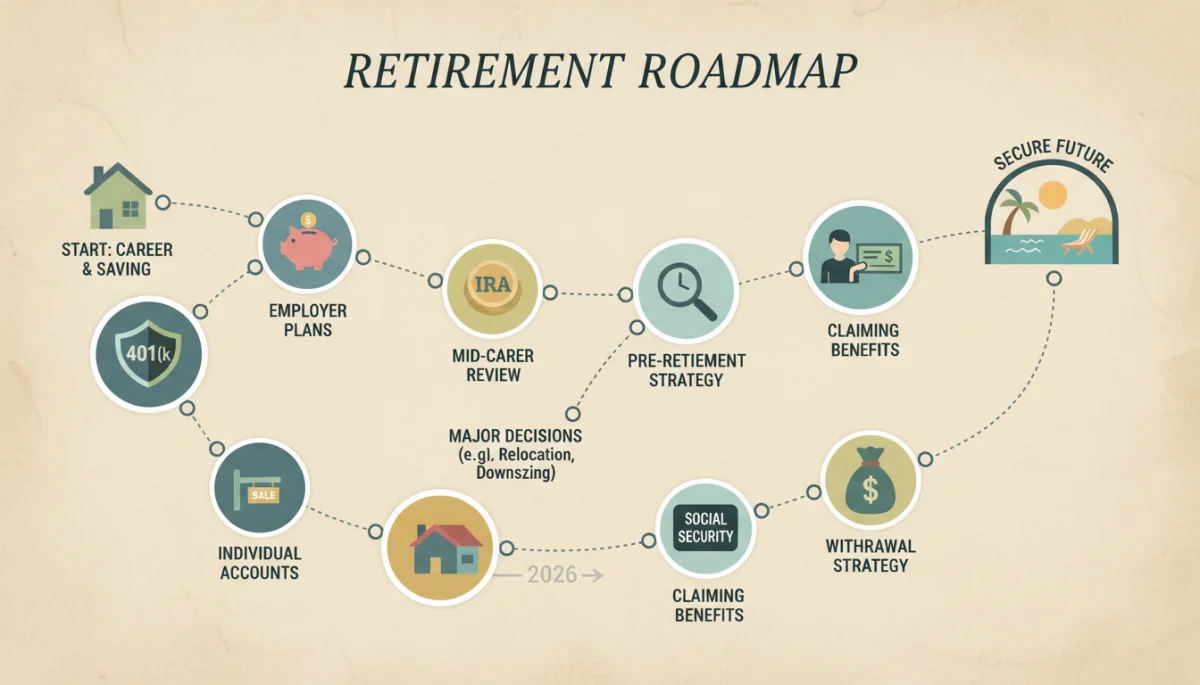
Simplifying Rollovers and Transfers
SECURE 2.0 also simplifies the process of rolling over funds between different types of retirement accounts. For instance, it allows for the direct transfer of funds from a 529 college savings plan to a Roth IRA, under certain conditions. This offers greater flexibility for individuals who may have overfunded a 529 plan or whose beneficiaries decide not to pursue higher education, ensuring those funds can still contribute to retirement savings.
- Emergency Withdrawals: Penalty-free access to up to $1,000 for emergencies.
- Emergency Savings Accounts: New option for employees to build accessible savings.
- Flexible Rollovers: Easier transfers between 529 plans and Roth IRAs.
These provisions collectively aim to reduce the instances of individuals tapping into their long-term retirement savings for short-term needs, thereby preserving their nest eggs. The increased flexibility in managing funds, whether for emergencies or through enhanced rollover options, represents a significant step towards a more adaptable and secure retirement planning environment under the New Pension Plan Regulations 2026.
Impact on Small Businesses and Employer Plans
The New Pension Plan Regulations 2026, particularly the SECURE 2.0 Act, bring substantial changes and incentives for small businesses to establish and maintain retirement plans. Recognizing the critical role small employers play in the economy and in providing retirement benefits, the legislation offers various measures to alleviate the administrative and financial burdens associated with offering such plans. This focus aims to expand retirement coverage to a segment of the workforce often underserved.
One significant incentive is the enhancement of the tax credit for small employers that start a new 401(k) or SIMPLE IRA plan. The credit is increased from 50% to 100% of administrative costs for employers with up to 50 employees, up to a cap of $5,000. Additionally, a new credit is introduced for employer contributions, further reducing the cost burden for small businesses. These financial incentives are designed to make offering retirement plans a more attractive and feasible option.
Employer Contribution Tax Credits
Beyond the administrative cost credits, SECURE 2.0 introduces an additional tax credit for employer contributions made to employee accounts, phased out over five years. This credit can further offset the costs for small businesses, encouraging them to not only establish plans but also to contribute to their employees’ retirement futures. The aim is to level the playing field, making retirement benefits more accessible across businesses of all sizes.
- Increased Tax Credits: Higher credits for administrative costs of new plans.
- New Contribution Credits: Additional credits for employer contributions to employee accounts.
- Simplified Plan Adoption: Measures to make setting up and managing plans easier for small businesses.
These provisions are expected to significantly boost the number of small businesses offering retirement plans, thereby expanding coverage to millions of workers who previously lacked access to such benefits. Employers should thoroughly review these new incentives and consider how they can leverage them to enhance their employee benefits package and foster a more financially secure workforce.
Preparing for the 2026 Regulatory Landscape
As the New Pension Plan Regulations 2026 fully take effect, individuals and employers alike must proactively prepare for the evolving retirement landscape. The phased implementation of SECURE 2.0 means that some changes are already in motion, while others will become mandatory in the coming years. A strategic approach to understanding and adapting to these regulations is essential for optimizing retirement outcomes and ensuring compliance.
For individuals, this involves reviewing existing retirement plans, understanding how the new catch-up contribution limits and emergency savings provisions apply to their specific circumstances, and potentially adjusting their savings strategies. It’s an opportune time to consult with financial advisors to re-evaluate retirement goals and ensure current contributions align with the new regulatory framework and personal financial objectives.
Key Steps for Individuals and Employers
Employers, particularly small businesses, face the task of assessing their current retirement plan offerings against the new mandatory automatic enrollment and escalation requirements. This also includes understanding the enhanced tax credits available for establishing or improving plans. Compliance and effective communication with employees will be critical.
- Review Current Plans: Assess how existing plans align with new regulations.
- Consult Professionals: Seek advice from financial advisors and plan administrators.
- Update Communication: Clearly inform employees about changes and new opportunities.
- Leverage Incentives: Small businesses should explore new tax credits and benefits.
The period leading up to 2026 is not just about compliance; it’s about harnessing the opportunities presented by SECURE 2.0 to strengthen retirement security. Proactive engagement with these new regulations will ensure that both individuals and employers are well-positioned to thrive in the updated retirement savings environment.
Long-Term Implications for Retirement Security
The long-term implications of the New Pension Plan Regulations 2026, driven by the SECURE 2.0 Act, are poised to significantly reshape the landscape of retirement security in the United States. These legislative changes represent a comprehensive effort to address persistent challenges in retirement savings, aiming to foster a more robust and inclusive system for future generations. The ripple effects of these provisions will be felt for decades to come, influencing economic stability and individual well-being.
By increasing automatic enrollment, expanding access for small businesses, and providing greater flexibility in savings and withdrawals, SECURE 2.0 is expected to lead to higher overall retirement savings rates. This could translate into a reduction in reliance on social safety nets and a more financially independent retired population. The focus on Roth contributions for certain catch-up savers also points towards a future where tax-free retirement income becomes more prevalent, offering greater predictability in later life.
Economic and Societal Benefits
Beyond individual financial security, the broader economic impact could be substantial. A more financially secure retired population is likely to maintain consumer spending, contributing to economic stability. Furthermore, by reducing the financial stress associated with retirement, there could be positive societal outcomes, including improved public health and reduced poverty among seniors. These regulations are not just about numbers; they are about improving the quality of life for millions.
- Increased National Savings: A collective boost in retirement funds across the country.
- Reduced Poverty: Greater financial security for an aging population.
- Economic Stability: A more resilient consumer base in retirement.
Ultimately, the New Pension Plan Regulations 2026 are designed to build a more resilient and equitable retirement system. While the full impact will unfold over time, the foundational changes introduced by SECURE 2.0 lay the groundwork for a future where retirement security is a more attainable goal for a wider segment of the American population.
| Key Provision | Brief Description |
|---|---|
| Automatic Enrollment | New 401(k)/403(b) plans must auto-enroll employees, with automatic escalation. |
| Enhanced Catch-Up | Higher catch-up limits for ages 60-63; Roth requirement for high earners. |
| Emergency Savings | Penalty-free emergency withdrawals and new employer-sponsored emergency accounts. |
| Small Business Incentives | Increased tax credits for establishing and contributing to employee retirement plans. |
Frequently Asked Questions About SECURE 2.0 and 2026 Regulations
The primary goal of the SECURE 2.0 Act is to enhance retirement security for American workers by expanding access to retirement plans, increasing savings opportunities, and simplifying administrative processes for both individuals and employers. It aims to ensure more people are prepared for retirement.
Starting in 2025, most new 401(k) plans will automatically enroll eligible employees, with contributions beginning at 3% and increasing annually. This means you’ll start saving without needing to actively sign up, though you retain the option to opt out or adjust your contribution rate.
Yes, SECURE 2.0 allows individuals aged 60-63 to make larger catch-up contributions to their retirement plans starting in 2025. Additionally, high-income earners in this age bracket will be required to make these catch-up contributions on a Roth (after-tax) basis.
The regulations allow for penalty-free withdrawals of up to $1,000 annually for certain emergency expenses from retirement accounts. They also facilitate the creation of employer-sponsored emergency savings accounts, offering a more accessible fund for unexpected financial needs.
Small businesses can benefit from enhanced tax credits for establishing new retirement plans and for making employer contributions. These incentives significantly reduce the financial burden of offering employee retirement benefits, encouraging broader adoption of plans among smaller employers.
Conclusion
The New Pension Plan Regulations 2026, primarily driven by the comprehensive SECURE 2.0 Act, herald a new era for retirement savings in the United States. These updates are designed to make retirement planning more accessible, flexible, and secure for a broader segment of the population. From mandatory automatic enrollment and enhanced catch-up contributions to vital emergency savings provisions and significant incentives for small businesses, the legislation touches every facet of retirement planning. Understanding and adapting to these changes is not just about compliance; it’s about seizing opportunities to build stronger financial futures. Both individuals and employers are encouraged to review these regulations closely and consult with financial professionals to navigate the evolving landscape effectively, ensuring optimal outcomes in the years to come.
